What Most People Get Wrong About Home Insulation
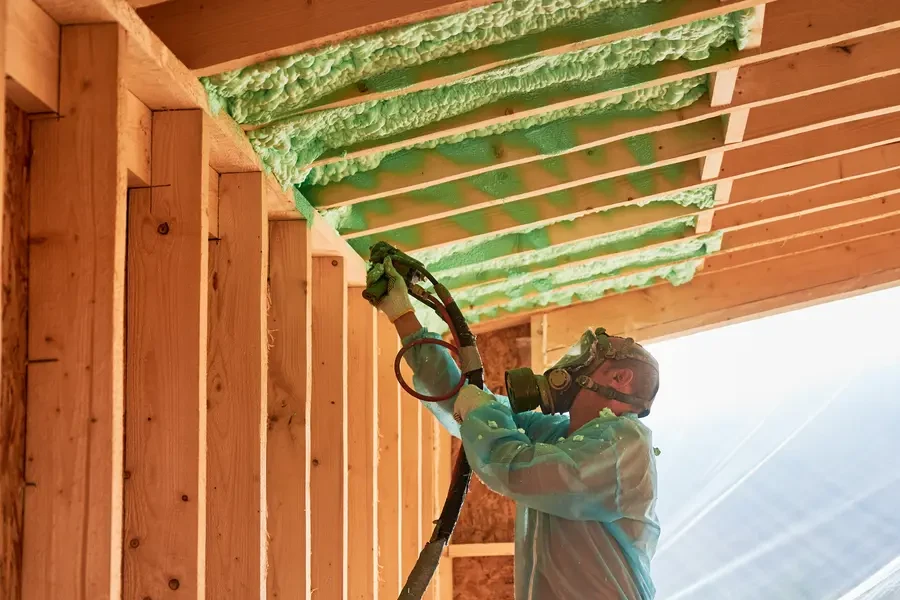
Many people believe spray foam insulation is always unsafe, too expensive to make sense, or only useful in new homes. Those ideas are often wrong. The truth is that spray foam insulation can work very well when it is chosen for the right space and installed the right way. It is not the best fit for every job, but many of the scary claims people hear are based on bad information, poor installation, or old stories that do not match modern products.
Quick Diagnosis Summary
The biggest myths usually fall into a few groups. Some people think spray foam insulation traps moisture in every home. Others think it makes a house impossible to breathe. Some believe it is toxic forever after installation. Another common idea is that it can go anywhere without planning. In real life, results depend on the type of foam, the building design, and the skill of the installer. That is why clear facts matter more than rumors.
Common Symptoms of Bad Information
You can often spot insulation myths by the way they sound. They are usually broad claims with no detail. For example, someone may say all foam is bad, all attic systems should be sealed the same way, or every old house should avoid it. These statements skip over key facts. Homes are different. Rooflines are different. Crawl spaces are different. One-size-fits-all advice can lead to poor choices.
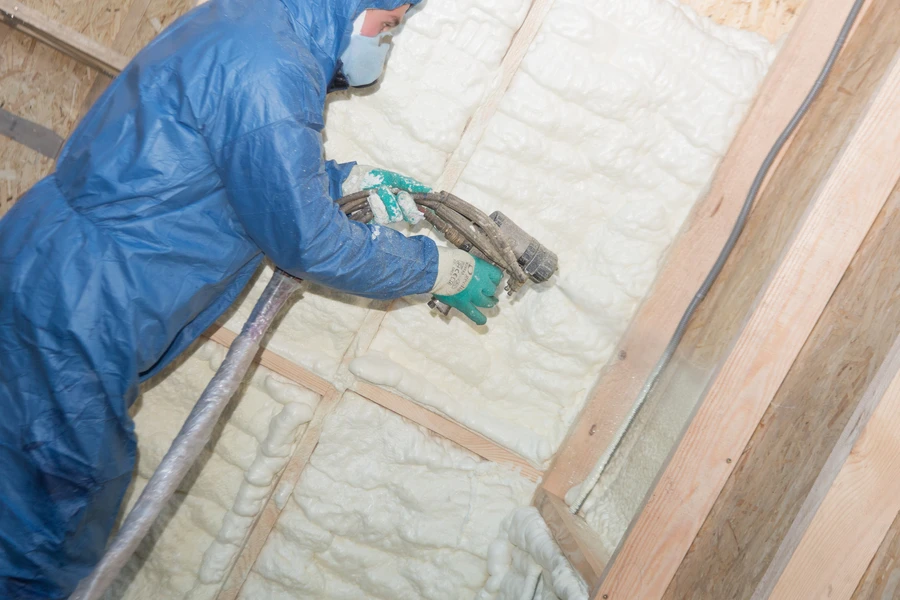
Here are a few common misconceptions people repeat:
- spray foam insulation always causes mold
- spray foam insulation is only for new construction
- all foam products are the same
- foam insulation is unsafe forever
- you never need ventilation after air sealing
- any contractor can install it the same way
Likely Causes Behind These Myths
Most myths come from a real problem that gets stretched too far. For example, if foam is installed at the wrong thickness or onto a wet surface, it can lead to issues. If a crew does not mix the material right, the product may not cure as it should. When that happens, people blame all spray foam insulation instead of the bad install.
Another reason is confusion between open-cell and closed-cell foam. They do not act the same. Open-cell foam is softer and more vapor open. Closed-cell foam is denser and adds more resistance to moisture. If someone talks about foam without saying which type, the advice may not help much.
Some homeowners also compare it to other service category options like fiberglass or cellulose without looking at air sealing. That misses a big part of the story. Spray foam insulation does more than slow heat flow. It can also help reduce air leaks, which is a major source of comfort and energy loss.
What to Check First Before Believing a Claim
Before you accept a claim about spray foam insulation, check where the information came from. Was the issue caused by the product itself, or by the job conditions? Was the home tested before and after? Did the person explain what type of foam was used? These details matter a lot.
Start with these basic questions:
- What type of foam is being discussed?
- Was the material installed by a trained crew?
- Was the surface dry and ready?
- Was the area designed for air sealing and ventilation?
- Is the claim about one bad job or about the product as a whole?
If those answers are missing, the advice may be weak.
Safe Fixes Vs Pro-Level Fixes
There are a few myths you can correct on your own by learning the basics. For example, if you thought spray foam insulation could never be used in an older home, that is easy to fix. Many older homes can benefit from it in rim joists, crawl spaces, or attic areas. You just need the right plan.
But some issues need a trained pro to sort out. If foam pulls away from framing, smells bad long after installation, or was used in the wrong place, that is not a simple DIY matter. Those cases may involve removal, testing, or changes to ventilation. It is also smart to get help if you are dealing with attic moisture, uneven temperatures, or indoor air concerns after installation.
Safe homeowner steps may include checking for drafts, looking for visible gaps, and asking for product details. Pro-level work includes material selection, surface prep, spray thickness control, and whole-house air flow planning.
Prevention Tips for Better Results
The best way to avoid problems is to treat spray foam insulation like a system, not just a product. A good plan looks at the whole home. That includes where air leaks happen, where moisture moves, and how the house handles fresh air.
These tips can help prevent trouble:
- Choose the right foam type for the space
- Fix roof leaks or bulk water issues first
- Ask how the area will be ventilated after air sealing
- Make sure the installer follows product specs
- Do not assume every part of the home needs foam
- Use foam where air sealing brings clear value
It also helps to set realistic expectations. Spray foam insulation can improve comfort and energy performance, but it will not solve every problem by itself. If your ductwork leaks, windows are failing, or humidity is already out of control, those issues still need attention.
When Expert Help Makes Sense
Expert help is a good idea when you are sorting through mixed advice and want facts tied to your home, not someone else’s story. This matters even more if your attic, crawl space, or wall system has signs of moisture, poor air flow, or past insulation problems. Homeowners in Casselberry, FL may also want a closer look if local weather swings put extra stress on indoor comfort and humidity control.
A good inspection can clear up what is true, what is outdated, and what applies to your house. That keeps you from making a choice based on fear. It also helps you avoid paying for a solution that does not fit your needs.
Get Clear Answers for Your Home
If you’re sorting through questions about spray foam insulation, we can help explain what fits your space and what does not. We work with homeowners across Casselberry, FL who want simple answers without the sales pressure. At Yellow Dog Roofing and Coating, we take time to look at the full picture before making a recommendation. Call us at (689) 367-2794 if you’d like us to help you make sense of your insulation options.