Which Insulation Works Better Depends on Your Home, Budget, and Long-Term Goals
When comparing spray foam insulation and traditional insulation, the best choice depends on what matters most to you. spray foam insulation gives a tighter air seal and can help with energy loss in hard-to-reach spots. Traditional insulation, like fiberglass or cellulose, can cost less up front and still work well in many homes. In Casselberry, FL, weather, home age, and where the insulation goes can all affect which option makes more sense.
Quick decision answer
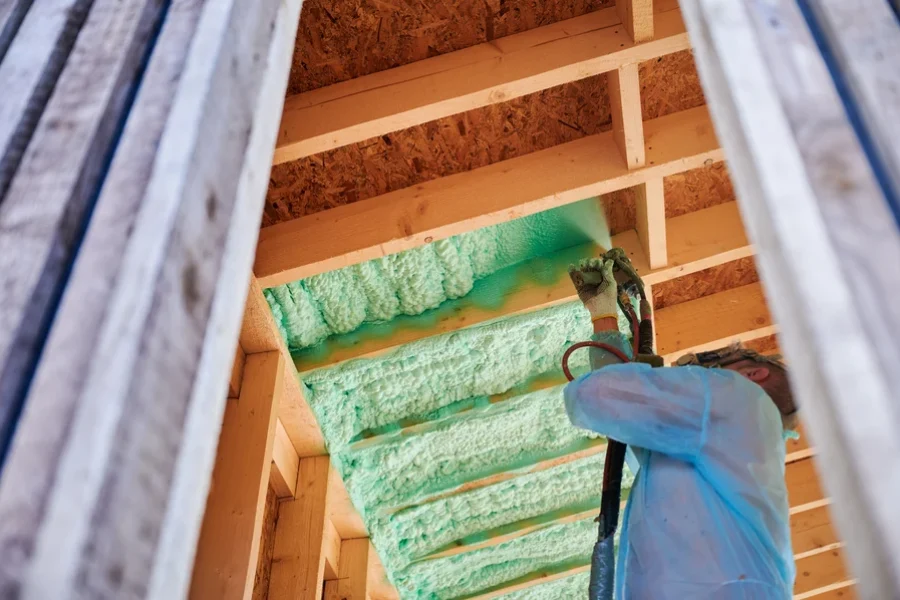
If you want strong air sealing and better performance in small gaps, spray foam insulation is often the better pick. If you need a common option for open attic floors or standard wall spaces, traditional insulation may be enough. Neither choice is right for every job. The best match depends on your attic, crawl space, walls, and how much air leakage your home has now.
Option A vs. Option B criteria
A good way to compare these materials is to look at how they handle air, moisture, space, and long-term use. spray foam insulation expands after application. That helps it fill cracks and edge gaps. Traditional insulation usually sits in place without sealing air leaks on its own. That means the home may still lose heated or cooled air unless other sealing work is done too.
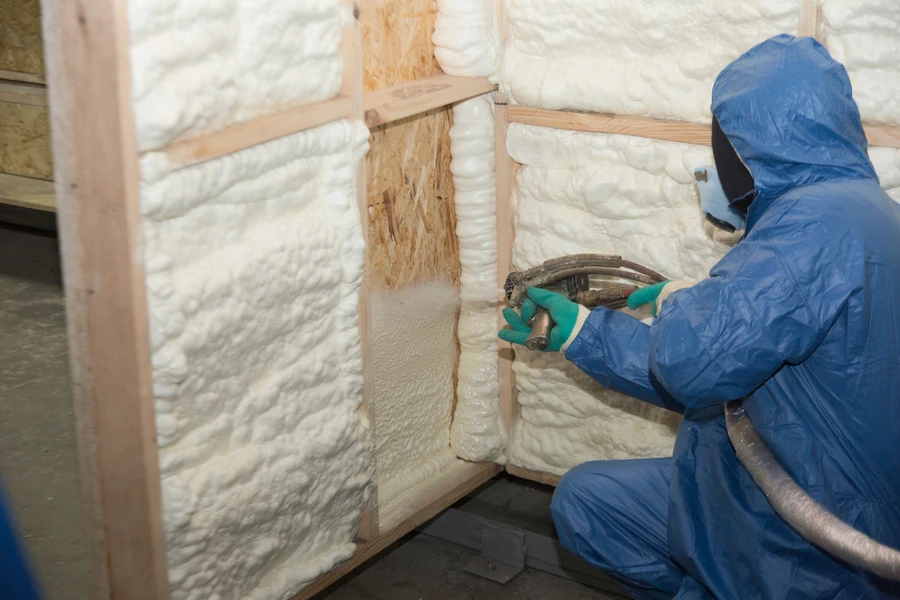
Moisture also matters. Some foam products can help limit moisture movement in certain areas. Fiberglass and cellulose can still do a good job, but they may need extra planning if the space has damp air or poor ventilation. Another point is room size. In thin wall cavities or tight rooflines, foam may offer more insulation value in less space.
The service category keyword may be broad, but it still fits here when talking about attic, wall, and crawl space upgrades as part of a full home energy plan.
Pros and cons list
Both choices have strengths and weak points. A side-by-side list can help make the decision easier.
- Spray foam insulation pros: seals air leaks, fits odd spaces, helps reduce drafts, can improve comfort
- Spray foam insulation cons: usually costs more, needs skilled installation, not always needed in every part of a home
- Traditional insulation pros: common, widely used, works well in many attic and wall areas, easier for simple upgrade projects
- Traditional insulation cons: does not block air leaks by itself, can leave gaps if installed poorly, may settle or shift over time depending on material
For many homeowners, the biggest difference is air sealing. A home can have enough insulation on paper but still feel drafty if outside air keeps getting in.
Best fit by scenario or user need
Spray foam insulation is often a strong fit for homes with uneven temperatures, draft problems, or hard-to-reach cavities. It can work well in rim joists, crawl spaces, and roof decks where air leakage is a major problem. If a home has many small openings around framing, wiring, or pipes, foam can help close those gaps.
Traditional insulation may be the better fit when the main goal is adding material to a large open space, such as an attic floor with easy access. It can also make sense when old insulation has worn down and needs to be replaced with a standard system. In some homes, a mix of both materials works best. For example, spray foam insulation may be used in leak-prone spots, while fiberglass or cellulose is added across wider areas.
Older homes often need a closer look before choosing. They may have hidden air leaks, moisture issues, or uneven framing. Newer homes may already have decent wall insulation but still need better sealing in the attic or crawl space.
Mistakes people make when choosing
One common mistake is choosing based only on one factor. Some people focus only on thickness. Others focus only on price. What matters is how the whole space performs after installation. A thick layer of material may not help much if air can still move around it.
Another mistake is treating every part of the house the same. An attic floor, basement wall, and roofline can each need a different approach. Some homeowners also skip checking for moisture problems first. If there is a roof leak, damp crawl space, or poor ventilation, insulation alone will not fix the real issue.
Poor installation is another problem. Gaps, missed corners, or compressed material can lower results. This is true for foam and for traditional insulation. The product matters, but the install quality matters just as much.
Final decision checklist
Before making a choice, go through a simple checklist:
- Check where your home loses the most air.
- Think about whether the area is open and easy to reach or tight and uneven.
- Look for moisture, mold, or ventilation issues first.
- Decide if comfort, air sealing, or basic insulation coverage is your main goal.
- Ask which parts of the home may do best with a combined approach.
This kind of review helps avoid a one-size-fits-all choice. A smart plan matches the insulation type to the space, not just the name of the product.
Get help choosing the right insulation
If you want help sorting out the best option for your home in Casselberry, FL, we can walk you through the differences and explain what fits your space best. At Yellow Dog Roofing and Coating, we focus on clear answers and solid workmanship. Call us at (689) 367-2794 to talk with our team and set up your next step.