A Simple Way to Help Your Roof Last Longer With Less Upkeep
Yes, roof coating can help reduce maintenance needs by adding a sealed layer over the roof surface. That extra layer can slow wear, limit small leaks, cut down on sun damage, and make routine care easier. In many cases, a coated roof needs fewer small repairs over time. That does not mean no maintenance at all, but it can mean less work, fewer surprises, and better long-term roof performance.
Why Prevention Matters
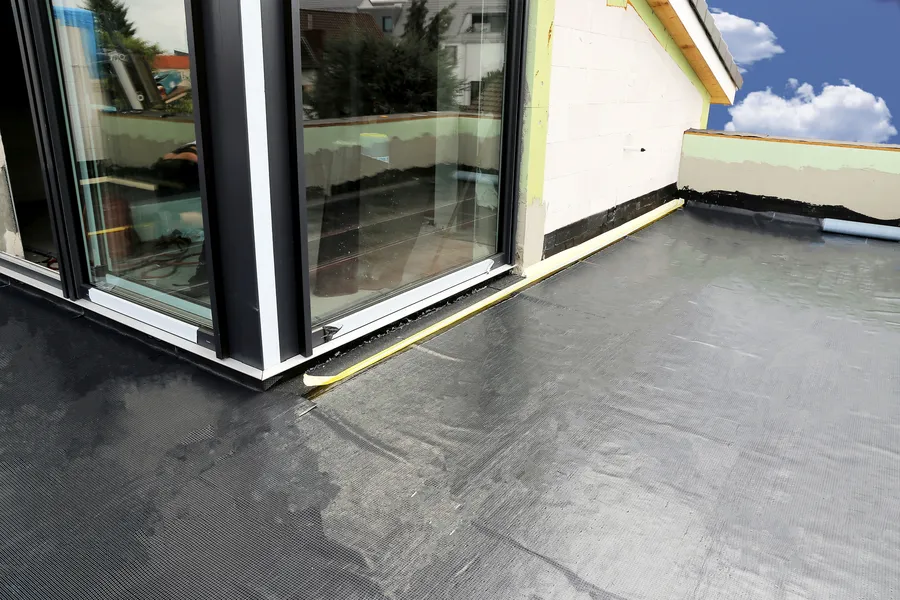
Roofs deal with sun, rain, wind, dirt, and standing water. Over time, all that stress can wear down roofing materials. Small cracks can form. Seams can weaken. Water can find its way into tiny gaps. Once that starts, repair needs can grow fast.
That is why prevention matters so much. A roof coating works like a protective skin. It helps shield the roof from daily wear. It can also help slow aging on many low-slope and flat roofs. For building owners who want fewer service calls, this can be a smart step.
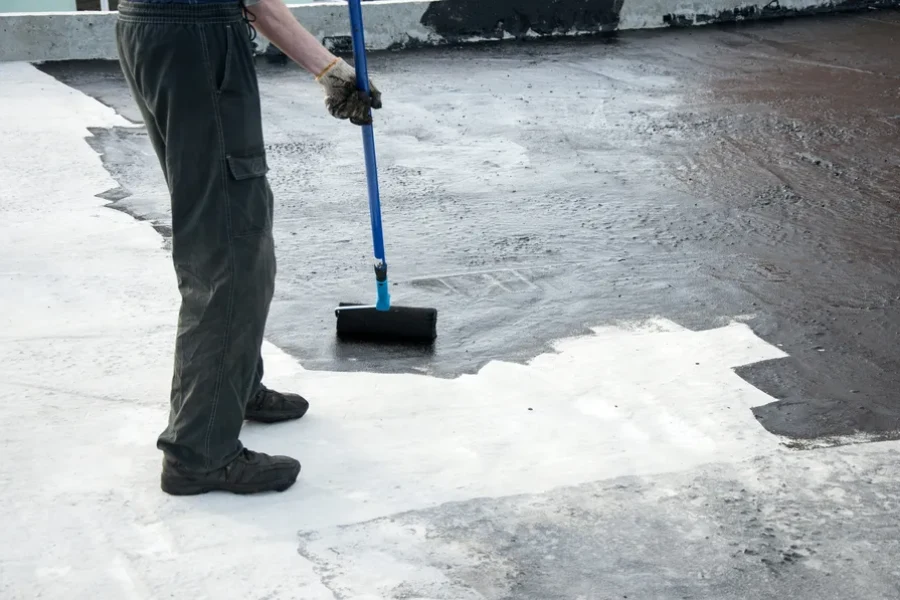
This is also true for many types of commercial roofing. A coating system can help protect the surface and make future upkeep more manageable.
Early Warning Signs
You do not have to wait for a major leak to think about roof care. Many roofs show signs of trouble early. Catching those signs soon can help you decide if roof coating is a good fit before damage gets worse.
- Small cracks or splits in the roof surface
- Ponding water that stays after rain
- Loose seams or worn flashing
- Faded areas from strong sun exposure
- Minor leaks or water spots inside the building
- More repair calls than usual
If you notice one or more of these signs, the roof may be asking for added protection. A coating may help if the roof is still in fair shape. If the roof is badly damaged, repair or replacement may be the better path.
Seasonal or Routine Checklist
A coated roof still needs some care, but the work is often simpler when the surface is protected. A routine check helps spot small issues before they turn into big ones.
- Inspect the roof in spring and fall.
- Clear off leaves, branches, and loose dirt.
- Check drains and scuppers for clogs.
- Look for cracks, bubbles, or peeling areas.
- Check seams, edges, and flashing points.
- Watch for standing water after storms.
- Schedule repairs early if anything looks off.
This kind of checklist can save time and money later. A roof coating often makes these checks easier because the surface condition is easier to see. Many owners like that they can keep a closer eye on the roof without guessing where problems may be hiding.
Best Practices for Long-Term Results
If the goal is reducing maintenance needs, the coating has to be used the right way. Good prep matters just as much as the coating itself. The roof should be clean, dry, and stable before any product goes on. If existing damage is skipped, the coating may not perform as planned.
It also helps to choose a coating that fits the roof type and the building’s needs. Some roofs deal with harsh sun all day. Others struggle more with ponding water. Some buildings need better reflectivity to help with heat. A good match can improve results and cut down on service issues later.
Another smart habit is to keep records. Track inspection dates, weather events, and any repairs. That makes it easier to spot patterns. If one drain area keeps having trouble, for example, you can fix the cause instead of chasing the same problem again and again.
What Not to Do
There are a few common mistakes that can lead to more maintenance, not less. One big mistake is putting a coating over a roof that has wet insulation, major leaks, or hidden structural trouble. A coating is a protective layer, not a fix for every problem.
Another mistake is ignoring drainage issues. If water sits on the roof too long, wear can build up faster. Even a good roof coating should not be used as an excuse to skip basic roof care.
- Do not coat over major damage without repairs
- Do not skip surface cleaning
- Do not ignore loose seams or flashing
- Do not assume every coating fits every roof
- Do not stop inspections after the coating is applied
A little planning goes a long way. The goal is to reduce maintenance needs, not delay obvious repairs.
When to Schedule Professional Help
Some roof issues are easy to spot from a report or from signs inside the building. Still, it is often best to have a trained roofer inspect the surface before making a decision. This is extra helpful if the roof is older, has leak history, or has areas with standing water.
Professional help is a good idea when:
- The roof has repeated leaks
- You are not sure the roof is still a good candidate
- The surface has widespread cracks or seam failure
- You want to reduce future upkeep with a long-term plan
- You need help choosing between repair, coating, or replacement
A professional inspection can show whether roof coating will really reduce maintenance on that roof, or if another option makes more sense. That can help avoid wasted money and repeat problems.
Final Recommendation
If you want a roof that needs less day-to-day attention, roof coating may be a smart move when the roof is still in serviceable shape. It can help protect the surface, slow wear, and make routine care easier. In Casselberry, FL, local weather and roof age can change how well a coating performs. At Yellow Dog Roofing and Coating, we can inspect the roof, explain the next steps clearly, and help you decide what fits best. Call us at (689) 367-2794 to set up a roof check and talk through your options.