How Better Attic Heat Control Can Lower Monthly Energy Use
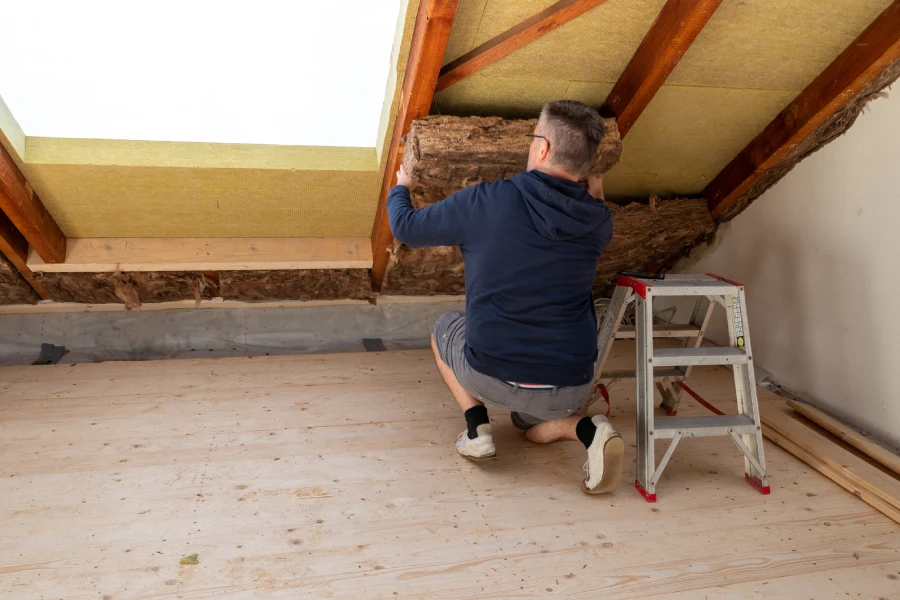
Roof insulation can help lower utility bills by slowing heat flow through your home. In hot months, it helps keep cooled air inside. In cold months, it helps hold warmth in. When insulation is thin, old, or damaged, your heating and cooling system has to work harder. That often leads to higher monthly costs. For many homes in Casselberry, FL, better insulation is a simple way to improve comfort and cut wasted energy.
Quick Decision Answer
If your home feels too hot upstairs in summer or too cold in winter, roof insulation may be a smart upgrade. It does not fix every energy problem, but it often makes a real difference. Homes with poor attic coverage, gaps, or moisture issues usually see the biggest change. If you are trying to lower bills, start by looking at how much heat is escaping through the roof area.
Option a Vs Option B Criteria
When people think about lowering energy bills, they often compare roof insulation with buying a new heating or cooling unit. Both can help, but they solve different problems. A newer system may run better, but it still loses energy if heat moves too easily through the ceiling and attic. roof insulation helps your whole home hold steady temperatures longer.
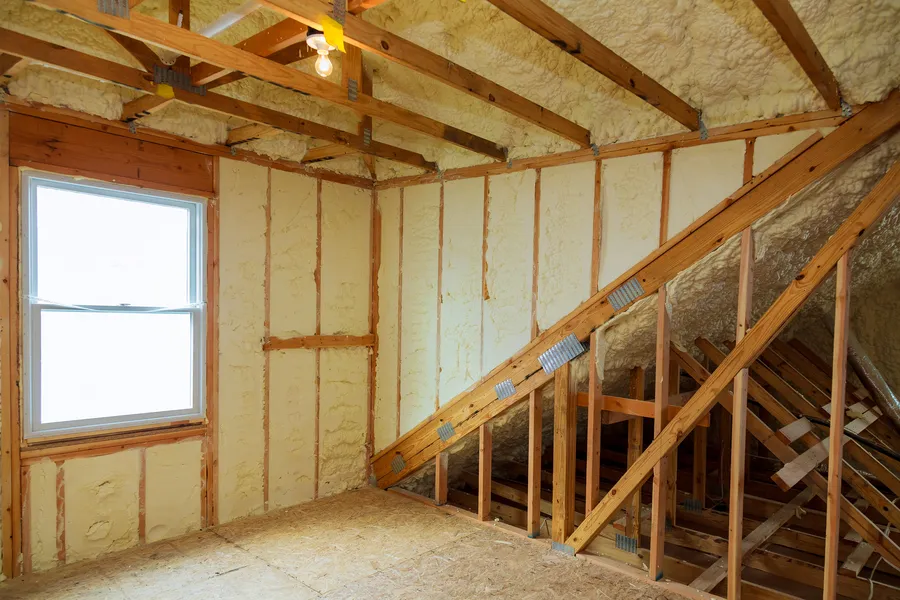
Another common choice is adding more insulation versus replacing damaged material. If the old insulation is dry, evenly spread, and mostly in good shape, adding more may help. If it is wet, packed down, moldy, or missing in large spots, replacement may be the better path. This is true for many types of work in the service category keyword area, where the condition of the material matters just as much as the amount.
Pros and Cons List
Like any home upgrade, roof insulation has good points and a few limits.
- can lower heating and cooling costs
- can make rooms feel more even in temperature
- can help your HVAC system run less often
- can improve comfort upstairs
- can reduce drafts caused by heat loss
- may not help much if air leaks are ignored
- may need attic repairs before new material is added
- can underperform if installed unevenly
The biggest benefit is often comfort plus savings. A home that stays closer to the set temperature puts less strain on equipment. The limit is that insulation works best when paired with air sealing and proper attic ventilation.
Best Fit by Scenario and User Need
Some homes benefit more than others. If your second floor is always warmer than the first, roof insulation may help balance that out. If your energy bills rise fast during weather swings, that can also point to poor attic protection. Older homes often have more gaps and less insulation than newer ones, so they may see greater gains.
A family that stays home most of the day may notice comfort changes faster. A homeowner getting ready to sell may like the lower operating costs and better indoor feel. If your HVAC unit is still fairly new but bills stay high, insulation may be the missing piece. If the system is old and the attic is underinsulated, both may need attention.
Mistakes People Make When Choosing
One common mistake is adding more roof insulation without checking for air leaks first. Warm or cool air can still escape through holes around lights, vents, or attic access points. Another mistake is covering problem areas without looking for roof leaks. Wet insulation does not work well and can lead to bigger attic issues over time.
Some people also focus only on the product and not the installation. Even good material can fail if it is uneven, compressed, or blocked around key airflow areas. Skipping an attic inspection can lead to poor results. It also helps to check local building needs and ventilation setup before work begins.
Final Decision Checklist
Before you decide, use this simple checklist:
- check if rooms feel uneven from one floor to another
- look at recent utility bills for seasonal spikes
- inspect the attic for thin, missing, or damp insulation
- look for signs of air leaks near access points and fixtures
- check for past roof leaks or moisture stains
- compare the age of your HVAC system with the attic condition
- decide if adding or replacing material makes more sense
This process can help you avoid spending money in the wrong place. In many homes, roof insulation offers a solid return through lower monthly bills and better comfort. Still, the right choice depends on the current condition of the attic and the home as a whole.
Final Recommendation
If utility costs keep climbing and indoor comfort is hard to maintain, roof insulation is worth a closer look. In Casselberry, FL, weather changes can put a lot of stress on a home’s energy use. We can inspect the attic and explain what is helping or hurting performance. Contact Yellow Dog Roofing and Coating to talk through the next step. Call us at (689) 367-2794 if you want a clear, helpful review of your home’s insulation needs.